[Majorityrights Central] Three possible forms of a Ukrainian victory ... and a Russian defeat Posted by Guessedworker on Thursday, 16 April 2026 16:36.
[Majorityrights Central] Empires, the Chinese Mind, a theoretical nationalism of ethnicity Posted by Guessedworker on Saturday, 14 February 2026 01:54.
[Majorityrights News] Moscow Times: Valdai residents report no sign of drones attacking Putin residence Posted by Guessedworker on Tuesday, 30 December 2025 11:33.
[Majorityrights Central] Thoughts on Mark Collett’s strategy for nationalism in the British future Posted by Guessedworker on Friday, 24 October 2025 15:01.
[Majorityrights Central] Principles, parts, processes of ethnic nationalism, Part 1: inflection? Posted by Guessedworker on Thursday, 31 July 2025 12:03.
Posted by DanielS on Wednesday, 11 October 2017 06:05.
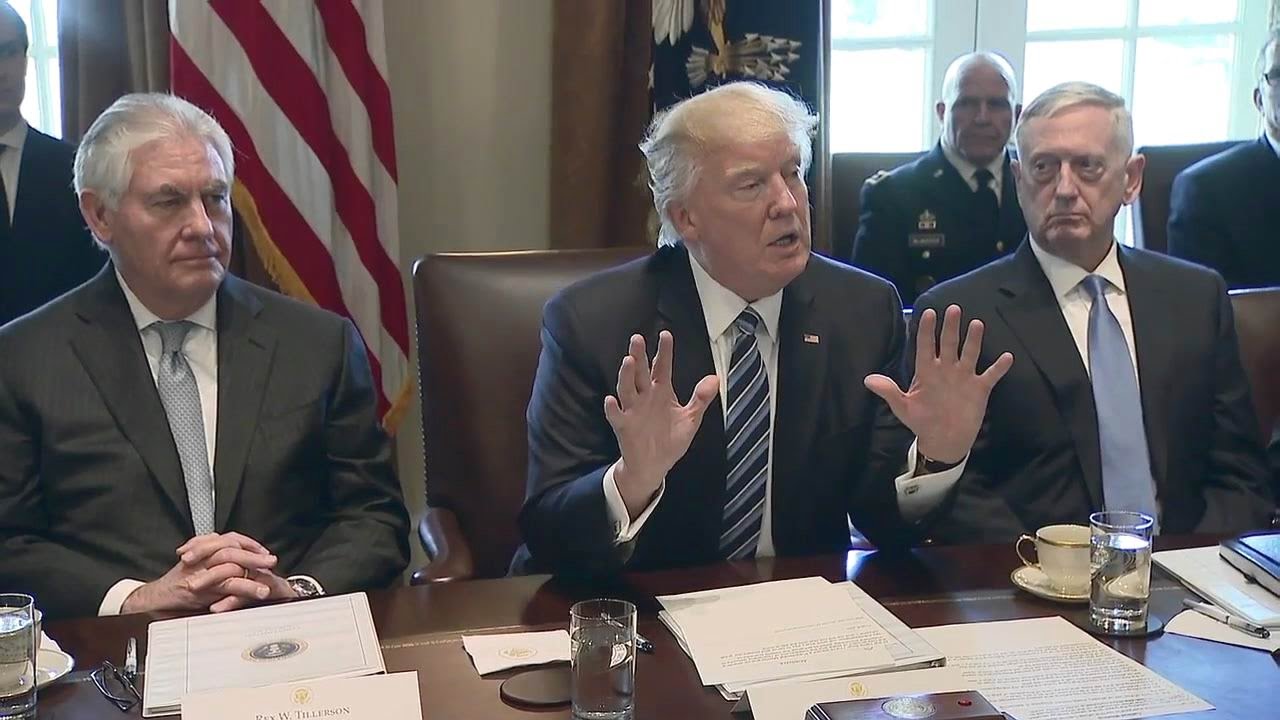
NPR, “Tensions Rise Between Tillerson And Trump As The Threat Of War In N. Korea Looms”, 10 Oct 2017:
New Yorker writer Dexter Filkins describes Sec. of State Tillerson as frustrated amidst very scary negotiations with N. Korea and without sufficient support and staff - most Republicans with wherewithal have been purged from Trump’s administration. While Filkins describes General Mattis as a very well read, interesting and thoughtful man who prefers negotiation to his profession of war - which, in the case of war with North Korea, “would bring the worst casualties and the worst bloodshed that any of us have ever known in our lifetimes.”
New Yorker writer Dexter Filkins says Sec. of State Rex Tillerson is a diplomat in an administration that doesn’t value diplomacy: “Rex is a sober, steady guy, and the president is anything but that.”
TERRY GROSS, HOST:
This is FRESH AIR. I’m Terry Gross. Ever since NBC reported last week that Secretary of State Rex Tillerson had called President Trump a moron, speculation has increased about whether Tillerson will last much longer in the job. My guest Dexter Filkins has a new article in The New Yorker titled “Rex Tillerson At The Breaking Point.” Filkins started researching the article months ago. It’s about the tensions between Trump and Tillerson, Tillerson’s legacy at Exxon, where he became CEO in 2006, his strategies today in dealing with North Korea and Iran and how he’s presiding over a State Department in which most key positions remain unfilled.
One of the things we’re going to focus on is North Korea and the possibility of the escalating rhetoric actually leading to a war. Filkins’s previous article for The New Yorker was about Secretary of Defense General James Mattis, who Filkins first met when he was reporting on the war in Iraq. Filkins covered the war for The New York Times. He’s now a staff writer at The New Yorker covering foreign affairs.
Dexter Filkins, welcome back to FRESH AIR. Can we just start by acknowledging that the secretary of state you’ve just written about may not be the secretary of state much longer, which means your piece may’ve been written at exactly the right or exactly the wrong time (laughter)?
DEXTER FILKINS: Yeah, yeah, well, it’s great if you’re a journalist to have, you know, perfect timing. And in this case, I had perfect timing. I started working on that piece a long time ago, not knowing that all of this was going to come to a head. But I think he’s - you know, he’s still in the job as we speak. And I think he’s pretty frustrated. But that is a chaotic administration on any day of the week. And so who knows what tomorrow will bring?
GROSS: What are you hearing about the relationship between Tillerson and Trump?
FILKINS: Well, it’s funny. I’m the - initially, when I started talking to people, and the people around him say, it’s great. You know, they talk all the time. They talk several times a day. Trump calls him, you know, middle of the night, whenever he wants. And I think that’s true. But I - you know, there’s an anecdote, which many of your listeners will have heard by now, which is, Tillerson was apparently in a meeting after one of - he was complaining about one of Trump’s speeches. And he called him a moron, and there was a - you know, there was another word attached to the word moron, which I won’t repeat.
But I think - you know, I think he’s frustrated. I think it’s difficult for - you know, Rex Tillerson is, I think - he’s a pretty sober and a pretty steady guy. And of course, the president is anything but that. And I think Tillerson in particular has been trying very hard in places like North Korea, where we have a - you know, a terrible crisis on our hands, to make a diplomatic solution to try to avert war. I think, you know, the possibility of war with North Korea right now is very real. And so he - you know, he flies out to China to try to make a deal and - to try to make a diplomatic deal to stave off war. And the president makes fun of him. And he undercuts him - Rex, you’re wasting your time. And I - you know, he’s the secretary of state of the United States. It’s - I think he’s pretty frustrated with that, that he feels like he can’t do his job.
GROSS: One official told you, the only reason why Tillerson has stayed this long is loyalty to the country.
FILKINS: Yeah, you know, he’s an Eagle Scout. And there’s a lot of Eagle Scouts in the president’s cabinet, and there’s a lot of generals around him. And somebody said to me, the only people left around the president are generals and Boy Scouts. And they’re hanging in there out of - not because they like it or not because they’re, you know, pleased to go into work every day but because they feel a responsibility to the country.
GROSS: What have you heard about the so-called suicide pact - that if Tillerson is let loose, then Secretary of Defense Mattis and Secretary of the Treasury Mnuchin would leave as well? They would just - they would walk.
FILKINS: Well, I heard that. I - you know, Washington is - it’s such a chatterbox. And when you go down there, you know, it’s just an echo chamber, and everybody’s, like, gossiping. It’s hard to know what’s true. I do know that Tillerson and Mattis talk a lot, and they have a lot of respect for each other. And I think that they - you know, they talk a lot because it’s - they both deal with foreign affairs. And, you know, one is the carrot, and the other is the stick. And they’re trying to coordinate a lot. So they talk a lot. And so it wouldn’t surprise me if that were the case.
GROSS: Is Tillerson much of a carrot? Is he holding out many carrots?
FILKINS: Well, I think the carrot’s getting smaller. I mean - and I think that’s the concern. And the hammer or the stick is getting bigger. And so if you look at their respective budgets, the Office of Management and Budget, which has drawn up the proposed budget for 2018 - for next year - which is what they’re fighting about right now - they would cut the State Department’s budget by 30 percent. And that’s about - the State Department is - the budget’s about - right now about $55 billion a year. And they are proposing - at the same time that they’re cutting the State Department by 30 percent, they’re proposing a $50 billion increase for the Pentagon. So they’re - the proposal on the table right now is to increase spending on defense as much as, or nearly as much as, the entire budget for the State Department.
And so if you stand back and think about that, what does that mean for American foreign policy? You know, you’ve got the guns over here, and you’ve got the diplomats over here. And they are cutting the resources for the diplomats, and they’re giving more resources to the guys with guns. And so I think that’s what’s disturbing to a lot of people right now - that the balance is changing.
GROSS: But Tillerson seems to be one of the people leading the charge in dismantling the State Department. I mean, you write that there are, like, 48 ambassadorships that are vacant. Twenty-one out of 23 assistant secretary positions are vacant or occupied by provisional employees because Congress hasn’t confirmed appointees to the position. How much of this is intentional on Rex Tillerson’s part?
FILKINS: Well, I - that there - I think there’s two answers to that question. The first is - to answer your question - he has his marching orders, and it’s to cut the budget and to cut the number of people - cut the number of diplomats working for the United States. And he’s doing that. He’s doing that, and he’s - or he’s trying to do it. And, you know, Congress is actually pushing back. Remarkably, even the Republicans in Congress are saying, look, this is crazy. This is too much. These cuts are too deep. You know, we have to have a diplomatic presence abroad.
And at the same time, I think that Tillerson is having a very, very difficult time - very difficult time - filling jobs and filling - you know, typically at the State Department, you have the secretary of state, and then he’s surrounded by assistant secretaries of state. And there’s 25 of them or so. And what’s happened, in this case, is because so many Republican - let’s say senior Republicans who - with deep experience on foreign policy - so many of them during the campaign publicly spoke against the Trump candidacy or signed letters, which were, you know, published in newspapers, et cetera, saying, Donald Trump is not fit to be president.
And so the whole Republican bench that you would call on to bring in to a new Republican administration, they’re essentially blackballed. And if you go down those lists, that’s a really long list. It’s most of the real brain power in the Republican foreign policy establishment. So the result is, Tillerson can’t get anybody to work for him.
GROSS: Let’s talk about North Korea. I mean, President Trump has said, we could totally destroy North Korea. North Korea has vowed to develop a nuclear missile capable of hitting the U.S. and warned it can conduct a hydrogen bomb test over the Pacific. No ambassador to South Korea has been confirmed yet. Trump also warned recently that this is the calm before the storm. And nobody’s really sure what he means by that, and he’s declined to clarify. It’s kind of like, you’ll see.
So - and the president tweeted, presidents and their administrations have been talking to North Korea for 25 years. Agreements made and massive amounts of money paid hasn’t worked. Agreements violated before the ink was dry, making fools of U.S. negotiators - sorry, but only one thing will work.
And I think it’s kind of implied what that one thing is. But we don’t really know for sure what he means. So what’s your sense of how close we’re getting to an actual nuclear war with North Korea?
FILKINS: Well, I don’t know if it’d be a nuclear war, but it would be - it’d be a very terrible war. I remember Secretary Mattis - I was on his plane earlier this year. And he said if - and he’s really sober about this. And he said, if there is a war with North Korea, it will bring the worst casualties and the worst bloodshed that any of us have ever known in our lifetimes. You know, that’s pretty strong stuff. And I think the - I think here’s where we are.
The Trump administration has decided, I think - it’s pretty clear - that the prospect of North Korea getting a workable ICBM with a nuclear warhead is worse than the prospect of war. So, I mean - and I spoke to people inside the administration who told me that. They said, we will not allow them to have a working ICBM. It’s not going to happen. And we will go to war if we have to. So short of that, what can you do? You can make a deal.
And so the plan - and I think this is what Tillerson has been working very hard on - is to squeeze the North Koreans. And there’s basically one way to squeeze the North Koreans, and that’s to squeeze China - to squeeze the North Koreans, and that it - because the Chinese economy is kind of - it’s the main - it’s the only lever, really, to pressure the North Koreans. And so the Chinese have been very reluctant to do that. They’re - for a lot of reasons - I mean, the main one is, they don’t want to have the North Korean state collapse on their borders. They’re terrified of that. They don’t want North Korea to have a nuclear weapon, I don’t think, any more than we do.
But so that’s the challenge right now, but I think it’s also the one means that the White House sees to make a deal is working with China. And that’s what Tillerson has been trying to do. So he’s been, you know, flying to China. He’s made several trips out there, and he’s pushing them. We have channels open to the North Korean leadership. And so, you know, to get back to President Trump, so the - so at the same time that, you know, the diplomats were trying to make a deal to stave off war, the president is sending out these tweets saying, I’m going to - you know, I’m going to annihilate North Korea, et cetera. And I don’t think there’s any calculation involved in that. I think the - you know, the president is just, you know, firing.
GROSS: OK, well, let’s take a short break here. If you’re just joining us, my guest is Dexter Filkins, a New Yorker staff writer who covers foreign affairs. His new piece is called “Rex Tillerson At The Breaking Point.” We’ll be right back. This is FRESH AIR.
GROSS: This is FRESH AIR. And if you’re just joining us, my guest is Dexter Filkins, who is a staff writer at The New Yorker and covers foreign affairs. His new piece is about the secretary of state. It’s called “Rex Tillerson At The Breaking Point.”
Rex Tillerson told you - because you had a chance to speak with him - that he told China that if China and the U.S. don’t solve this - if he and his counterpart don’t solve this - these two guys - meaning Kim Jong Un and President Trump - these two guys get to fight, and we will fight.
FILKINS: Yeah. Yeah, it’s pretty scary.
GROSS: Did he elaborate on that for you? Like, what…
FILKINS: Well, yeah, a little bit. I mean, he essentially meant, look, the way this is - the way diplomacy works and works best is if it’s backed up by a threat of force. So when I walk in the room and I sit down with the Chinese, I say, look, you and I can make a deal, and we can, like, sign it on paper. And if we don’t, if diplomacy fails, there’s going to be a war. And nobody wants a war, so let’s do the deal. And I think, you know, that sounds right. Theoretically, that’s - and it sounds right. It’s just terrifying.
GROSS: Well, it - there seems to really be a game of brinksmanship being played right now.
FILKINS: Yes.
GROSS: And when you say you were told - and I forget who told you this - that if we go to war with North Korea, there will be more casualties than - what? - than…
FILKINS: Any of us know - have seen in our lifetimes. And that was Secretary Mattis.
GROSS: Oh, right. And I can - and he’s…
FILKINS: And you know…
GROSS: He (laughter)...
FILKINS: He’s seen a lot of war, you know? I mean…
GROSS: He’s seen a lot of war, right. So do you have any idea what kind of war he’s envisioning if we do go to war with North Korea? And I hate to even utter those words.
FILKINS: Yeah, God forbid. I think there’s a lot of different options. And, I mean, I’ve had some discussions about what those options are. I think they’re all terrible. I think that the easy scenario to imagine - I mean, it’s a terrible scenario - is the moment the United States strikes North Korea, say. And we’re speaking only theoretically here. The North Koreans have at their disposal thousands of artillery rounds that are within striking range of Seoul. And I think, you know, metropolitan Seoul has how many people - 20 million people. And so you can imagine.
So if the leadership of North Korea is, you know, still alive and if every piece of its army is still functioning - any piece of its army’s - is still functioning after that initial exchange, then they will fire everything they have at Seoul. And I think that’s - you know, that’s what’s got everybody’s attention. The prospect of that is terrifying because the bloodshed would be immense.
GROSS: OK.
FILKINS: And, you know, the numbers that you see are just - they’re terrifying. I mean, it’s, you know, tens of thousands, hundreds of thousands of casualties.
GROSS: I’m wondering if you feel any echoes of the eve of the Iraq War right now when President Bush and Saddam Hussein were threatened - threatening each other when President Bush decided to move forward not exactly unilaterally, but not really with the backing of the U.N. either. You know, we had some allies, but it wasn’t the full force of the U.N. Do - you covered the Iraq War. You covered it right from the start. So are you feeling any similarities now?
FILKINS: Well, the - I think the difference is, in Iraq, it was basically the United States. I mean, we’d - you know, Great Britain came along, but - and the United States was utterly determined to take down Saddam, you know? Come what may, we’re going to do it. And so there was this kind of, like, heedlessness involved. You know, we’re - we are going to do this. And the whole world was kind of freaking out.
It’s different in North Korea. I mean, I do feel like I have a - whenever I sit down and talk to somebody in Washington about - who knows the North Korean situation, I get these butterflies in my stomach because it feels like these are two - you know, North Korea and the United States, they’re both people who are - at the moment who are not willing to compromise. And that means, if that doesn’t - if they don’t reach a compromise, we’re going to go to war. And I think the prospect of war is very, very real.
And so in that sense, I’m feeling, like, pretty nervous about it. But I think that in - the difference between now and, say, in Iraq in 2003 was that I think the whole world is pretty worried about North Korea. You know, it’s a kind of crazy, unpredictable regime. And I think that the whole world is united in wanting to stop North Korea from acquiring an ICBM.
So to get back to what I had said earlier, I think the Trump administration - I spoke to somebody about this at some length - said that we - the reason why we cannot allow North Korea to acquire an ICBM is, think of the consequences. They would - they might use one. Oh, they’ll start threatening Japan. They’ll start threatening South Korea. They’ll threaten the United States. They - it will probably prompt, or could prompt, the Japanese to reversing, you know, decades of being a - having a very, very small defense force. They may have to go nuclear. So it could destabilize the whole region.
You - there’s no evidence that North Koreans would ever think twice about selling their nuclear technology to another country. So all of those things are terrifying as well. And so what the Trump administration has concluded is that this - or that scenario that I just painted - we cannot allow that, and we will not allow that under any circumstances.
GROSS: So if there is a war with North Korea, as it’s possible there will be, is there any scenario that you’ve heard in which the U.S. uses a nuclear weapon against North Korea?
FILKINS: Yes. Yes, I’ve had that conversation. It’s terrifying. I mean, it’s just not even something that you want to think about. But I will tell you about a conversation I had with a very senior person. He said, the problem, if the North Koreans, say, are 2 inches away from acquiring the capability - you know, a workable nuclear-armed ICBM - and we need to stop that, how do we do that? We kill the leadership, basically. We take out the whole leadership - Kim Jong Un, everyone around him.
Now, how do you do that? Because, you know, do we know where they are? Are they all scattered? And that’s where the nuclear weapon came in in the conversation that I had. So in other words, you decapitate the regime, and maybe you can avert the kind of horrible consequences that we’ve talked about with the North Koreans raining artillery shells down on greater Seoul. But that’s pretty terrifying. I think that option has been discussed. I think it’s on the table. That’s what was related to me. But, I mean, it’s pretty terrifying.
GROSS: How do you use a nuclear weapon to decapitate the regime?
FILKINS: God if I know. I don’t know. I mean, because - I don’t know. I mean, I think that the idea, at least in the discussion that I had, was that that would be the only way that you could guarantee that you would basically obliterate the leadership, wherever it was. The problem with that, obviously, is that you’re going to end up obliterating a lot of other things as well. And so I - you know, you - there’s no such thing as a surgical nuclear strike.
And so I think if - you know, if nuclear weapons came into play here, the consequences would be horrifying. And I don’t - you know, I don’t - this is what - I think this is what keeps people awake at nights. I mean, everybody’s thinking about these options, and there are no good options. They’re all bad - all of them. But the nuclear one, of course, is conceivably the worst.
GROSS: My guest is Dexter Filkins. His new article “Rex Tillerson At The Breaking Point” is in the current issue of The New Yorker. We’ll talk more after a break. And our jazz critic, Kevin Whitehead, will have an appreciation of pianist and composer, Thelonious Monk, who was born 100 years ago today. I’m Terry Gross, and this is FRESH AIR.
GROSS: This is FRESH AIR. I’m Terry Gross, back with Dexter Filkins, a staff writer for The New Yorker who covers foreign affairs. His new article is titled “Rex Tillerson At The Breaking Point: Will Donald Trump Let The Secretary Of State Do His Job?” Filkins covered the war in Iraq for The New York Times and is the author of the book, “The Forever War,” which won the 2008 National Book Critics Circle Award for nonfiction.
After having written this piece about Rex Tillerson, for which you interviewed a lot of people in the State Department, and my impression is maybe some people in defense as well, people in the administration - what did you leave knowing that you didn’t know before, in terms of the larger story of where we’re going with North Korea and Iran?
FILKINS: Well, I think the most - you know, I’ve worked all around the globe, and I’ve been to, like, a zillion American embassies around the world. And, you know, they’re all kind of the same. You, you know, show your passport, and you go inside. And you meet the diplomats, and they’re all very competent. And they speak the language, and they know the history and the politics. And you kind of take it for granted.
You know, we have a really good State Department, and the embassies are filled with competent people. But you take it for granted. Like, what do they do in there? I think what I learned is that the world that we live in is governed by a very large kind of architecture of economic and political arrangements that have been, you know, whether by treaties or agreements - that have been kind of written, and orchestrated and erected since the second - the end of the Second World War.
And basically, if you go back to - I quoted Truman’s - President Truman’s secretary of state in my piece, Dean Acheson. If you go back that far, to the 19 - late ‘40s and early ‘50s, you know, Acheson says, we inherited a world that was in chaos and in ruins, and we wanted to, at - you know, at any cost, we wanted to avert another world war. And how can we do this? And so they came up with, you know, everything - all these institutions that we know today - The United Nations, NATO, you know, the European Union. And not - you know, this stuff was very ad hoc and, kind of - you know, this institution got formed in 1948 and the next one in 1950. And they kind of evolved over time.
But that - today, we’ve inherited this kind of vast architecture of arrangements, and relationships and treaties, and so that everything from bandwidth - computer bandwidth - to the number of bluefin tuna that you can take out of the water every year - just the number of things which are negotiated, and written down, and codified in treaties and which are managed every day by our diplomats because there’s disputes going on all the time and these arrangements have to be changed and altered - this is the world that we live in. And this is, you know, the world that we have - and, you know, for all of its problems.
But it’s - and I think the thing that is troubling is - and the thing it - which is worrying and which I think everybody needs to kind of think about is, if we - are we dismantling this? Is that what Secretary Tillerson and President Trump are doing when they say, we want to cut the budget of the State Department by 30 percent? If - I asked Secretary Tillerson, and he said no, that’s not what we want to do. But when you see what’s happening to our diplomatic corps and you see what’s the - what the budget cuts are potentially doing and the people who are leaving, the amount of expertise which is leaving, it’s scary. It’s scary.
Posted by DanielS on Monday, 09 October 2017 07:25.
The Mainichi, “Reports: Google uncovers ads by Russian operatives”, 9 Oct 2017:
NEW YORK (AP)—Russian operatives likely spent tens of thousands of dollars on ads across Google products, including YouTube and Google search, according to reports.
Accounts connected with the Russian government spent $4,700 on search and display ads, while another $53,000 was spent on ads with political material that were purchased from Russian territory, from Russian internet addresses, or with Russian currency, The New York Times reported . The Times cited an unnamed person familiar with the ongoing inquiry by the search giant.
The Washington Post earlier reported that the technology behemoth uncovered the Russian-backed disinformation campaign as it considers whether to testify before Congress next month, also citing anonymous sources familiar with the investigation. Social media companies Facebook and Twitter have already agreed to testify.
The reports said the company discovered the Russian presence by analyzing information shared by Twitter and Facebook, as well its own research and tips from outside researchers.
In a statement, Google said it has a “set of strict ads policies including limits on political ad targeting and prohibitions on targeting based on race and religion.”
“We are taking a deeper look to investigate attempts to abuse our systems, working with researchers and other companies, and will provide assistance to ongoing inquiries,” the statement continued.
Facebook recently shared about 3,000 Russian-backed ads with Congress.
The lack of turn out from Milwaukee voters is suspicious.
U.S. intelligence agencies have concluded that Russian President Vladimir Putin directed a disinformation campaign aimed at helping Donald Trump win the presidential election.
“Conservative” talk-show hosts Charilie Sykes and John Ziegler talk about their disillusionment with Trump and his supporters; how his campaign was facilitated by the influx of conspiratorial and other fringe right influences, particularly when the Drudge Report started linking to and thus mainstreaming and “normalizing” Alex Jones.
Active Measures is suspected of having had a significant impact on the Milwaukee area of Wisconsin in terms of voter turn out.
Posted by DanielS on Wednesday, 04 October 2017 10:29.
Middle East Eye, “Turkey threatens further sanctions, as Iraqi Kurds announce November poll”, 3 Oct 2017:
Turkish President Recep Tayyip Erdogan said Iraqi Kurds should ‘come to their senses’ following last week’s independence referendum.
Turkey has upped its threats against the Iraqi Kurdistan region as the Kurdistan Regional Government (KRG) announced parliamentary and presidential elections for 1 November.
Turkish President Recep Tayyip Erdogan threatened to impose new sanctions on Iraq’s Kurdish regions if they don’t “come to their senses” following last Monday’s referendum vote to secede from Iraq.
“We are managing with some embargoes in northern Iraq for now, but if they don’t come to their senses this will continue increasingly,” Erdogan said at a parliamentary meeting in Ankara on Tuesday.
“Any incident taking place in Syria and Iraq is not independent from us, they are linked directly to our domestic affairs.”
He added that the referendum was “a new attempt to strike the heart of our region with a dagger”.
Despite formerly good relations with the KRG, Turkey has been highly critical of the independence referendum over fears it could enflame
Iraqi Kurds gave a resounding 92.7 percent “yes” vote for independence in last Monday’s non-binding referendum, which has also sent regional tensions soaring.
KRG President Massoud Barzani originally announced the referendum in June, which provoked repeated calls from the US, EU and others for a cancellation or delay.
On Tuesday it was announced that presidential and parliamentary elections for the Kurdistan region would be held on 1 November.
Clinging to power?
The referendum in Kurdistan was seen by analysts as a means for Barzani to cling on to power by shoring up nationalist sentiment ahead of the elections.
The heir of a dynasty which has led the Kurdish struggle for independence for over a century, Barzani has held the KRG presidency since its establishment in 2005, two years after the US-led invasion that toppled Saddam Hussein.
His tenure was extended beyond his second term in 2013, as fresh turmoil engulfed the region and Islamic State overran about a third of Iraq in 2014, threatening the Kurdish region.
Despite this, it was unclear whether Barzani would or could stand in the November poll as Kurdish law says a president cannot stay in office for more than two terms.
Gorran, the second-largest party in the Kurdish parliament, announced it would be putting forward Mohammad Tofiq Rahim, the party’s foreign relations director, as its presidential candidate.
The party has been highly critical of the Kurdish independence referendum, which it denounced as “illegal” in June, and has accused Barzani of seeking to cling on to power and marginalise democratic opposition in the Kurdish region.
Barzani placing his vote in the independence referendum last week (AFP) further sanctions, as Iraqi Kurds announce November poll.
Barzani placing his vote in the independence referendum last week (AFP)
Neither Barzani’s Kurdistan Democratic Party (KDP) nor the Patriotic Union of Kurdistan (PUK) had declared candidates by time of publication, despite the declaration period being due to expire on Tuesday.
Although Kurdistan has been largely autonomous since 2005, the prospect of full independence - and, in particular, the disuputed future of areas like Kirkuk and Sinjar - has provoked a fierce backlash in Baghdad.
There was controversy on Tuesday as Kurdish media reported that Kurdish MPs in Baghdad had been prevented from attending parliament.
According to some media reports, Arab MPs had demanded that Kurdish MPs swear an oath to support a unified Iraq in order to attend the parliamentary session, which the mostly independence-supporting Kurds refused.
Iraqi Prime Minister Haider al-Abadi ordered the suspension of international flights to and from Iraqi Kurdistan from Friday in retaliation for the Kurds voting for independence.
The Kurdish push for independence is meant to capitalise on their key contribution to the war on Islamic State after the group overwhelmed Iraqi forces in 2014.
The US administration, which had strengthened its alliance with Iraq’s Kurds during the anti-IS campaign, is taking the side of Baghdad in the crisis in refusing to recognise the outcome of the referendum.
Posted by DanielS on Tuesday, 03 October 2017 14:24.
“Miss Grand Myanmar”, Shwe Eain Si, has been stripped of her title just days before she was due to compete in a leading international beauty pageant by organizers Miss Grand International. The nineteen year old had released a video statement in which she basically told the truth about the cause of the crisis in Rakhine State - Mancinblack
Posted by DanielS on Tuesday, 03 October 2017 01:20.
The Local, “Marseille attacker released by police day before stabbing rampage”, 2 Oct 2017:
Tragic: The two victims of the Marseille knife attack were identified by their first names as cousins and best friends Mauranne (left) and Laura (right), both 20
The man who stabbed two young women to death in Marseille in an attack claimed by the Islamic State group used seven different identities and had been arrested just days earlier, French prosecutors said Monday.
The man who stabbed two young women to death in Marseille in an attack claimed by the Islamic State group used seven different identities and had been arrested just days earlier, French prosecutors said Monday.
Authorities said the man, who was shot dead by anti-terror troops after Sunday’s attack outside the southern city’s main train station, had previously used a Tunisian passport under the name Ahmed H., 29.
But investigators are seeking to confirm his identity as the attacker—who had a history of petty crime but was not on a jihadist watch list—used seven aliases, anti-terror prosecutor Francois Molins told reporters.
“The method of the attacker, a knife attack at a train station, responded to a permanent call from the terrorist group Daesh,” Molins said, using another name for IS.
The jihadist group’s propaganda agency Amaq claimed the killer was one of its “soldiers”, while a source close to the investigation told AFP no solid evidence linked him to IS.
The attack in France’s second biggest city followed a string of stabbings around Europe claimed by or blamed on Islamist radicals.
The man killed two 20-year-old cousins from the eastern city of Lyon. One was studying in Marseille and the other was visiting her for the weekend.
Molins confirmed that witnesses heard the attacker shout “Allahu Akbar” (God is Greatest) as he lunged at the women with a 20-centimetre (eight-inch) knife before threatening soldiers, who shot him dead.
The attacker’s fingerprints showed he had had seven brushes with the law since 2005—most recently when he was arrested last week in Lyon.
He presented the Tunisian passport to police, saying he was divorced, used “hard drugs”, and had no fixed address.
The shoplifting charges were dropped for lack of evidence, and local authorities “were not able to take a decision to deport him,” Molins added. He was released on Saturday.
‘Barbaric act’
Police evacuated Marseille’s ornate Saint Charles station after the attack, temporarily halting all train traffic on some of France’s busiest lines.
“I was on the esplanade just in front of the station,” Melanie Petit, an 18-year-old student, told AFP. “I heard someone shout ‘Allahu Akbar’ and I saw a man who seemed to be dressed all in black.”
French President Emmanuel Macron tweeted Sunday that he was “deeply angered by this barbaric act”.
The attack comes as parliament prepares Tuesday to vote on a controversial anti-terror bill that transfers some of the exceptional powers granted to police under a 22-month-old state of emergency into national law.
France has been under a state of emergency since the IS gun and bomb attacks in Paris in November 2015—part of a string of jihadist assaults that have left more than 240 people dead over the past two years.
But rights groups warn that making parts of the state of emergency permanent would give police too much free rein in handling terrorism suspects.
Knives have been the weapon of choice in a string of smaller-scale attacks, in recent months, mainly targeting troops from the 7,000-strong Sentinelle anti-terror force set up to patrol the streets and vulnerable sites such as stations and tourist attractions.
In most cases, the attackers were shot dead at the start of their rampage, before they could kill others.
The Marseille attack came only days after IS released a recording of what it said was its leader Abu Bakr al-Baghdadi urging his followers to strike their enemies in the West.
The French government has deployed troops and its air force to the Middle East and is a leading partner in the US-led international coalition fighting IS in Iraq and Syria.
DM: The man, who was aged between 30 and 35, has not been formally identified.
On Friday the attacker – who was a North African of either Algerian or Tunisian origin – was arrested in Lyon for shoplifting.
He had no papers on him and was in ‘an irregular situation in Europe’, so giving the authorities a chance to place him under judicial control.
Posted by DanielS on Friday, 29 September 2017 06:09.
ABC.Net.Au, “Twitter shuts down 201 accounts linked to Russian propaganda operatives who posted to Facebook”, 29 Sept 2017:
Twitter has shut down hundreds of accounts that were tied to the same Russian operatives who posted thousands of political ads to Facebook during the 2016 US election.
The company said it found 22 accounts which were directly linked to the 450 Facebook accounts, found earlier this month.
It also found a further 179 accounts related or linked to those Twitter accounts.
None of these accounts had been registered as advertisers, and all of them had already been or were immediately suspended, most for violating spam rules.
Twitter said Russian media outlet RT — which has strong links to the Kremlin — spent at least $274,100 on advertisements on the platform in 2016.
The three accounts — @RT_com, @RT_America, and @ActualidadRT — also promoted 1,823 tweets the company says “definitely or potentially targeted” the US market.
Those ad buys alone topped the $100,000 that Facebook had linked to a Russian propaganda operation, a revelation that prompted calls from some Democrats for new disclosure rules for online political ads.
Although Twitter’s disclosures in briefings to US congressional staff and a public blog post were its most detailed to date on the issue, the top Democrat on the Senate Intelligence Committee called the company’s statements “deeply disappointing”.
Senator Mark Warner, whose panel is investigating alleged Russian interference in the election, said Twitter officials had not answered many questions about the Russian use of the platform and that it was still subject to foreign manipulation.
Twitter has been criticised as being too lax in policing fake or abusive accounts.
Technology companies including Twitter, Facebook and Google were asked by intelligence committees earlier this week to testify at a public hearing on November 1 about alleged Russian interference.
The pressure on the companies reflects growing concern among politicians in both parties that social networks may have played a key role in Moscow’s attempts to spread disinformation and propaganda to sow political discord in the United States and help elect President Donald Trump.
Moscow denies any such activity and Mr Trump has denied any talk of collusion.
In front of building at 55 Savushkina Street in St Petersburg, Russia, where the Kremlin has a workforce of hundreds patrolling the internet as trolls. Youtube video
ABC.Net.Au, “Inside Russia’s Troll Factory: Controlling debate and stifling dissent in internet forums and social media”, 12 Aug 2015 -
Inside an anonymous building in St Petersburg, the Kremlin commands a workforce of hundreds that patrol the internet as trolls — assuming false identities online.
Their task is to control debate and stifle dissent in forums and on social media.
The department at the centre of this effort is officially known as the Internet Research Agency.
But its reputation has earned it another name by which it is widely known: the Troll Factory.
Andrei Soshnikov is the investigative journalist who has led the efforts to expose the Troll Factory.
“Generally, they produce lies in a 24-hour regime, seven days a week,” said Andrei Soshnikov, the investigative journalist who has led the efforts to expose the Troll Factory.
“In the morning, in the day, at night, something going on in world, or in Russia or St Petersburg, you will always find the comments from the Troll Factory.”
Soshnikov started monitoring the activities at the Internet Research Agency a few years ago, not long after he graduated from journalism school.
After his first reports were published, he hit the jackpot.
He was contacted by activist Luda Savchuk, who had been hired to work as a troll.
“I spent two months there,” Ms Savchuk told 7.30.
Photo: Luda Savchuck said she accepts the consequences that come with shining the light on Russia’s trolls. (7.30)
“I saw that this is really a big factory to produce paid comments, posts, pictures, video, any content we face on the internet is produced there.
“There are four floors there, very many departments dealing with social networks, LiveJournal (the popular Russian online forum), YouTube, forums with the websites of different cities.”
Working together, Ms Savchuk and Soshnikov published details of the Troll Factory’s operations.
At least 300 employees are believed to work in the building.
Ms Savchuk managed to capture the only video ever filmed inside — a few shaky seconds of trolls at work.
Ms Savchuk managed to capture the only video ever filmed inside — a few shaky seconds of trolls at work.
“News is sent to your computer with instructions about how it should be presented,” she said.
“It is not just objective information that is required, but in which tone it should be presented, to which conclusion one should drive a reader.”
When opposition leader Boris Nemtsov was shot dead within sight of the Kremlin in March, suspicion immediately fell on those with links to Russian president Vladimir Putin.
Ms Savchuk said the orders at the Troll Factory were handed down quickly.
“They were just told: ‘Nemtsov is killed. Everyone should urgently concentrate on this job. We shall write this and that’,” she said.
“On that day they were writing that it was a provocation against the authorities, that he was killed by ‘his own people’.”
Kremlin moves focus to social networks
After smothering political dissent, the Kremlin is now targeting social networks.
They have been viewed as a threat since anti-Putin protests seemingly sprung up out of nowhere in late 2011.
The driving force behind the brief opposition surge was social media.
Journalist Andrei Soldatov writes about Russia’s security agencies and their extensive online surveillance.
“You don’t need any kind of organisations to do these things,” he told 7.30.
Andrei Soshnikov is the investigative journalist who has led the efforts to expose the Troll Factory
“And that frightened the Kremlin in 2011.
“They still believe social networks [are] a major tool that might, if you have any kind of crisis, help people to send people in the thousands to the streets.”
Right now, the priority topic for the Kremlin’s trolls is Ukraine.
As the war in eastern Ukraine has dragged on, the Troll Factory has played a key role in the huge Russian propaganda campaign to demonise the Ukrainian government.
“In Ukraine, you don’t have people, you don’t have someone you can talk to,” Soldatov said summing up the stereotypes reinforced by the Kremlin’s trolls.
“You have only fascists.”
The Troll Factory’s actual address is 55 Savushkina Street, St Petersburg.
The building is surrounded by cameras, and employees do not appreciate being filmed.
Consequences for revealing secrecy behind trolls
“You have not just enemies, but someone who [is] completely unhuman.”
7.30 tried to speak with someone from the Internet Research Agency, but the request was denied.
All of the companies listed in the directory in the building’s foyer are fake.
Soshnikov said none of them could be found on St Petersburg’s corporate register.
The secrecy makes Ms Savchuk’s revelations about the work going on here all the more exceptional.
“I think Luda is a hero,” Soshnikov said.
“I had serious concerns about my safety and I still have them now.” - Luda Savchuk.
“Here in Russia is big atmosphere, strange atmosphere, of fear, of lies. And not everyone will act as a normal citizen, or patriot, in this situation.”
Ms Savchuk and others are prepared to fight back against the methodical re-establishment of the security state in Russia.
She accepts the consequences that come with shining the light on Russia’s trolls.
“I had serious concerns about my safety and I still have them now. Because the people who run this factory are quite serious,” she said.
Posted by DanielS on Friday, 29 September 2017 06:04.
I have nothing against this particular chap; he isn’t strictly European but he is grouped along with others who very much are not, and who spell genetic and neighborhood alienation and destruction when mixed in America.
It’s a bit belated a discussion as news items go, but a few issues emerge worthy of consideration for ethnonationalists in regard to the matter of how Puerto Rican relief (of hurricane Maria) is being handled or mishandled as it were and why that is so:
I am always keen to discuss the concept of unionization and how it is an integral concept to model social organization, but I am also always eager to address problems of unionization - terrible obstruction along with the facilitation that they can bring.
As a facilitative model of the social group/system, only a person so retarded as to believe that the pre eminent concern for ethnonationalists should be a “model of the mind”* and with that, perhaps being fixated on Austrian school positivism in reaction to Jewish abuses of sociology, would try to suggest that unionization is a trivial concern. Nevertheless, there are real life problems in the assimilation of optimal form and function, especially if unionization is to be conducive to EGI.
1. There is the matter of the trucker’s unions of Puerto Rico which apparently refused to break a strike and transport crucial relief items around Puerto Rico; at the same time, there were unions in the United States who went above and beyond to answer the call.
Namely, facile political alliance with Puerto Ricans brings along Amerindio/Spanish mixes of Puerto Rico but also Mulattoes such as this man’s woman.
2. The next matter represents an existential choice between right wing economic advantage or the left nationalist protection of European genome (and Amerindian genome, for those of us who care).
If Puerto Rico had its independence and could figure out how to facilitate shipping container transportation of its sovereign accord, it has a potentially lucrative position to advance its GNP markedly for the sake of the Puerto Ricans; by the same token, if The US gave up control of Puerto Rico, it would be losing a great deal of profit that it gains from concomitant control of the Puerto Rican shipping industry. That is a gain economically for the proposition US Nation.
On the other hand, by having Puerto Ricans associated with the United States in any way, you are including to that extent a demography that is 25% black: they are a very strong, mixed people who are very destructive to the White genome where forced together with us; and other than blacks, the only people who tend to destroy their neighborhoods.
I don’t have anything especially against the young chap in the top photo, but the alienating and nightmarish environment that surrounds him is apparently a typical byproduct of the Puerto Rican genome in aggregate. He typically comes along or is wrongly grouped with people who are largely black or mulatto, like this guy’s woman (photo right, couple on beach). Like blacks, they are not only destructive to us genetically, but having a great deal of biopower (adding to their challenge), as anyone who witnesses their athletic prowess can attest.
Puerto Ricans are not only destructive to our genome, but very strong and hard to defend against. Giancarlo Stanton, who is Puerto Rican / Irish, nearly passed Babe Ruth’s single season home run record this year.
With Puerto Rico not having its sovereignty, one of the relief strategies that is on the table is bringing them to the United States: Hence the question - do you want the advantages of economic exploitation, or do you want to protect your genome?
* As a footnote: If one’s concern is the integrity and interiority of individual mentation, then it is a different concern from EGI. One is assuredly expressing undue faith to presume the invisible hand will do what the “artifice of unioization” would otherwise for group-systemic homeostasis. The sure guidance of the invisible hand is more applicable to animals than humans. In fact, one should suppose that the very idea of a generic model, even if only applied to a specific group, is a contradiction to the goal of human nature, individual autonomy and authenticity.
Granting that one might not be quite that stupid, and can grasp the inexorable fact of interaction, and wants to trace check points of mentation and homeostasis that extend to the natural and social environment, then we are getting somewhere, but not until.
“A model of the mind” might be a good idea for the individual or, rather, the very act of “modeling” might betray the authentic expression of emergent mentation that one seeks to allow to manifest.
However, this (individual mind) is not the unit of analysis, the unit of model, as it were, that anyone should prioritize for racial defense - obvious to anyone but one who is perhaps insulated from the hurley burley of prohibitions against group discrimination that they might be somewhat buffered from, say, within a provincial English fishbowl.
A similar refrain with regard to faith in the natural invisible hand also applies to the principle of adaptive fitness: it is no guarantor of racial or even individual homeostasis and integrity.

 I have nothing against this particular chap; he isn’t strictly European but he is grouped along with others who very much are not, and who spell genetic and neighborhood alienation and destruction when mixed in America.
 Namely, facile political alliance with Puerto Ricans brings along Amerindio/Spanish mixes of Puerto Rico but also Mulattoes such as this man’s woman.
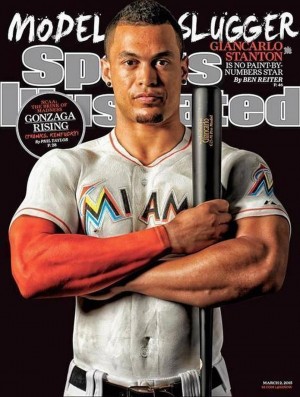 Puerto Ricans are not only destructive to our genome, but very strong and hard to defend against. Giancarlo Stanton, who is Puerto Rican / Irish, nearly passed Babe Ruth’s single season home run record this year.



 The lack of turn out from Milwaukee voters is suspicious.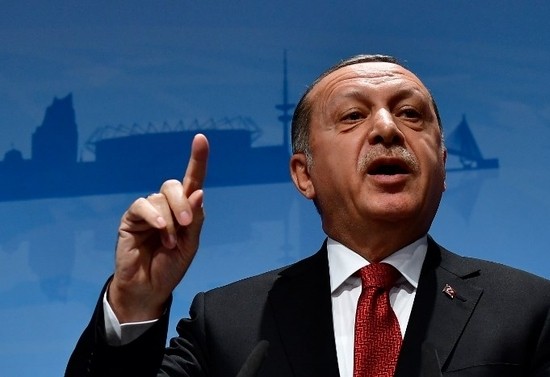
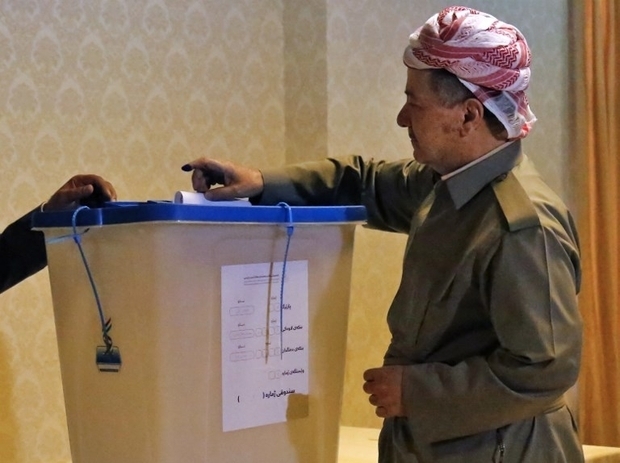 Barzani placing his vote in the independence referendum last week (AFP) further sanctions, as Iraqi Kurds announce November poll.
 Tragic: The two victims of the Marseille knife attack were identified by their first names as cousins and best friends Mauranne (left) and Laura (right), both 20


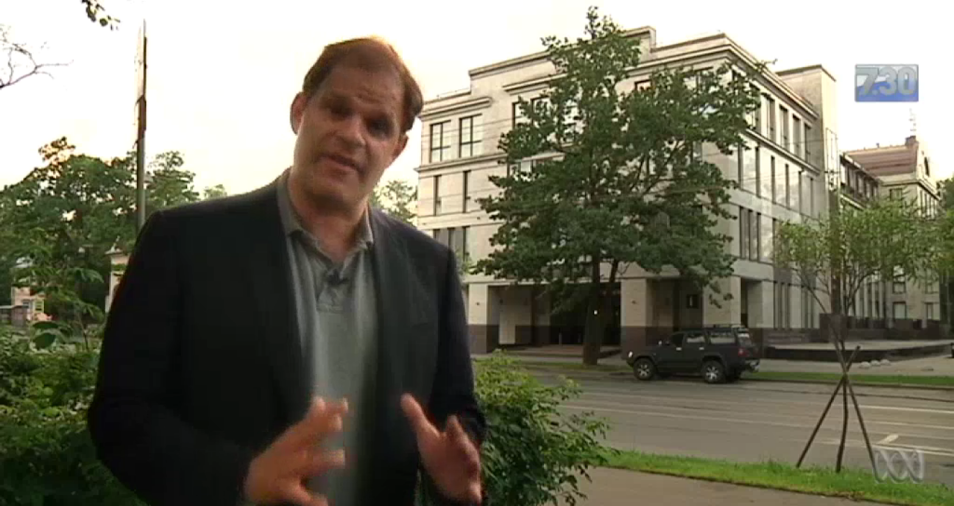 In front of building at 55 Savushkina Street in St Petersburg, Russia, where the Kremlin has a workforce of hundreds patrolling the internet as trolls.
  Andrei Soshnikov is the investigative journalist who has led the efforts to expose the Troll Factory.
 Photo: Luda Savchuck said she accepts the consequences that come with shining the light on Russia’s trolls. (7.30)
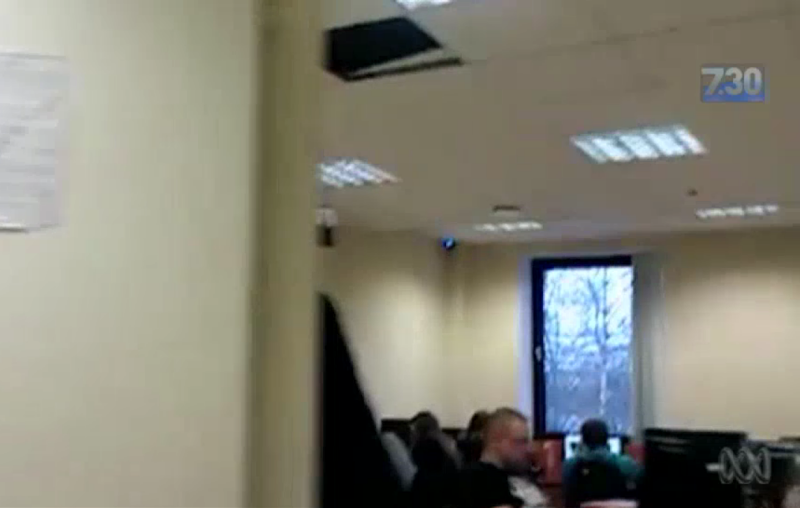 Ms Savchuk managed to capture the only video ever filmed inside — a few shaky seconds of trolls at work.
 “I had serious concerns about my safety and I still have them now.” - Luda Savchuk.